
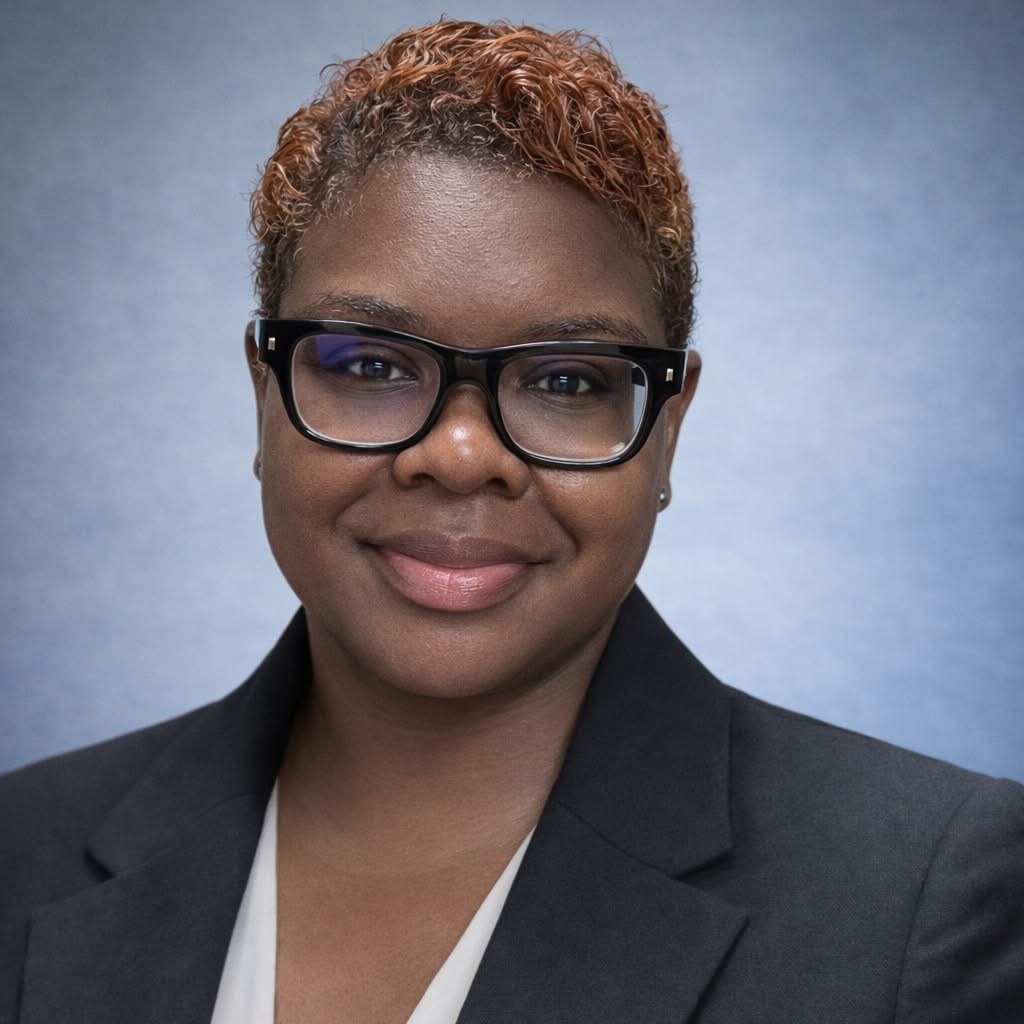
Challengers: Charlene “AMINA” Sams
Why do you want to serve on the school board, and what qualifications do you bring to the role?
II want to serve because strong governance leads to stronger student outcomes. As a Wilmington resident and District A representative, I care deeply about ensuring students and families across the district have a voice in how our schools operate. I bring experience in community advocacy, systems thinking, and collaborative leadership. I believe school boards must focus on policy, accountability, and clear goals for student success. I am committed to listening to families, asking thoughtful questions, and helping ensure district decisions remain centered on students and their long-term success.
What specific changes would you want to bring to how the school board currently operates?
I believe school boards are most effective when they remain focused on governance, clear goals, and student outcomes. I support the continued use of goal monitoring to ensure board discussions stay centered on measurable progress for students. Strengthening transparency, maintaining respectful collaboration among board members, and ensuring meetings remain focused on strategic oversight rather than operational issues will help the board operate more effectively and build public trust.
What specific action is required to address student achievement gaps and support underserved populations (students with disabilities, English language learners, and those from low-income families)?
Closing achievement gaps requires consistent focus on student outcomes, data, and equitable access to support services. Schools must ensure students with disabilities , English language learners, and students from low-income families receive appropriate academic support, qualified educators, and targeted interventions. The board should monitor progress regularly, support evidence based programs, and ensure resources are aligned to meet the needs of students who require additional support.
What specific changes should be made at schools to make the classroom a safer and more effective environment for maximizing learning and instruction (teaching)?
Safe learning environments require clear expectations for behavior, strong school leadership, and consistent support for educators. Schools should promote positive school culture, provide appropriate behavioral supports, and ensure staff have training and resources needed to maintain safe classrooms. When students feel safe and supported, educators can focus on instruction and students are better positioned to succeed academically.
Many educators say that not all parents are engaged enough with their children's education. How can the school board create policies that help forge a closer relationship and involvement among parents, their children and educators?
The question assumes disengagement is a parent problem. Often it’s a trust problem. Families who have been talked down to, ignored at public meetings, or handed polished presentations instead of genuine dialogue learn quickly that their input doesn’t matter. The board must fix that dynamic first.
Practically, that means meetings at accessible times and locations, communications in families’ home languages, and outreach through trusted community partners rather than district channels alone.
But most importantly, engagement has to be real. Parents and community members will show up when they believe someone is actually listening and that their voice can change outcomes.
How do you plan to address chronic absenteeism and student retention, especially in early grades and high school?
Addressing absenteeism requires an understanding of the barriers students and families face. Schools must monitor attendance closely and intervene early when patterns emerge. Partnership with families, community organizations, and support services can help address issues such as transportation, health, or family challenges. By identifying problems early and providing support, schools can improve attendance. and help students stay on track academically.
School districts oversee multi-million dollar budgets, supported by taxpayers. What steps will you propose to ensure that the money is being spent wisely and efficiently on student instruction?
School boards must carefully monitor budgets to ensure resources are aligned with student needs and district priorities. That incudes reviewing spending decisions, evaluating program effectiveness, and ensuring funds are directed toward instruction, student support services, and initiatives that improve outcomes. Transparency and regular financial oversight help ensure taxpayer dollars are used responsibly and effectively.
What is your stance on standardized testing, and how would you ensure that assessments support student learning rather than drive instruction (“teach to the test”)?
Assessments are useful tools for measuring student progress and identifying areas where additional support may be needed. However, they should not determine classroom instruction. Schools should use assessments as one of several indicators of student learning, alongside classroom performance and teacher feedback. The goal should be using data to inform instruction and support students rather than narrowing teaching solely to test preparation.