
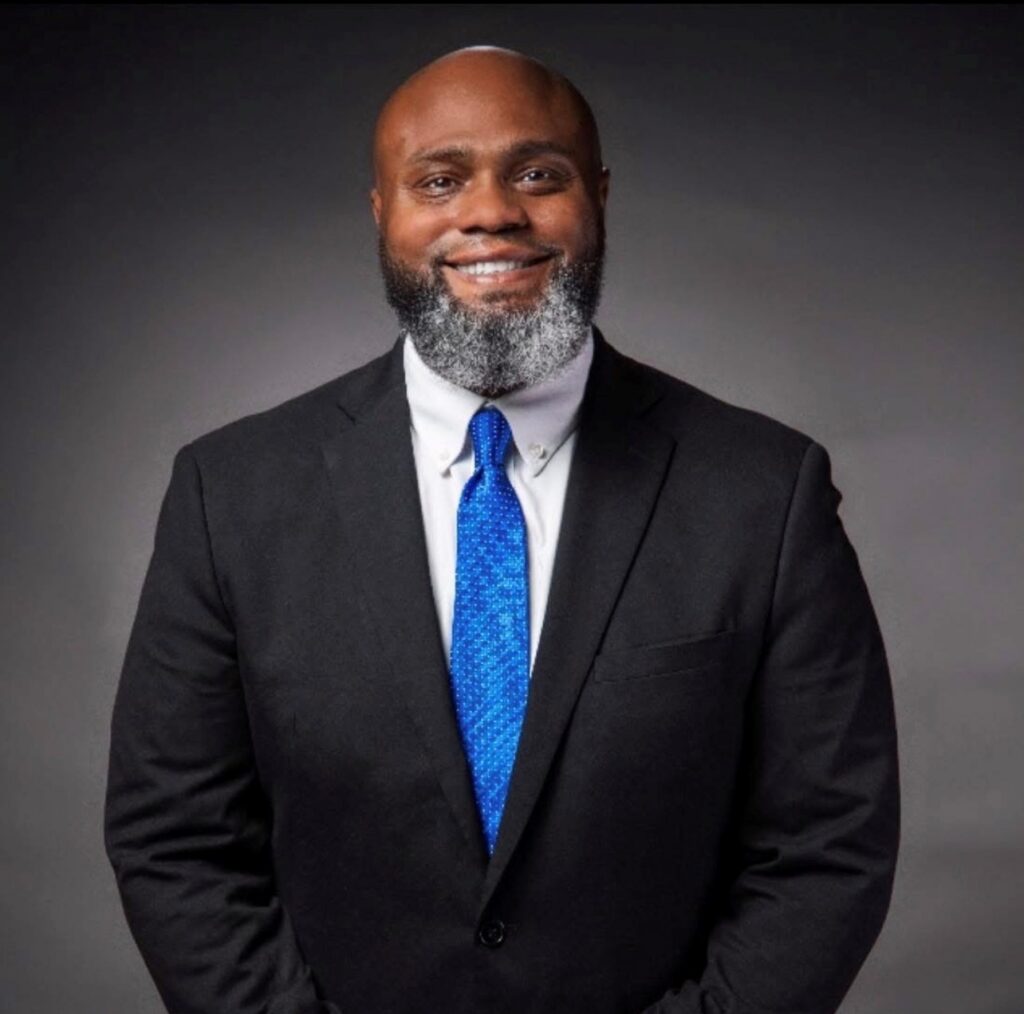
Dr. Dorsey is the current incumbent and has no challengers. We thank him for sharing his thoughts with the Colonial School District community.
Why do you want to serve on the school board, and what qualifications do you bring to the role?
I want to serve on the school board to ensure that every student in our district has access to a high-quality, equitable education. I am committed to creating safe, inclusive, and supportive learning environments where all students can reach their full potential.
I bring professional experience in education and leadership, with a track record of promoting equity, inclusion, and student success. I understand the challenges schools face in balancing resources, supporting diverse learners, and maintaining safe environments. Recognized for my contributions to education, which include building relationships and my innovative approaches to school success and student learning, I am prepared to listen to students, families, and educators and make thoughtful, data-informed decisions that improve outcomes for all learners.
What specific changes would you want to bring to how the school board currently operates?
I currently work to make the school board more transparent, responsive, and focused on equity and outcomes. This includes ensuring clear communication with families and the community, using data to guide decision-making, and prioritizing policies that address the needs of our highest-needs students. I would also promote collaborative decision-making that actively involves educators, families, and students, so the board’s work reflects the voices and experiences of those it serves. I would also support regular reviews of board processes and policies to ensure accountability, efficiency, and a consistent focus on improving educational opportunities and outcomes for all learners.
What specific action is required to address student achievement gaps and support underserved populations (students with disabilities, English language learners, and those from low-income families)?
I believe closing student achievement gaps requires targeted, data-driven support that ensures all students have the resources they need. This includes equitable funding for schools serving high-needs populations, individualized interventions and accommodations for students with disabilities and English language learners, and expanded access to enrichment and tutoring for low-income students. Regularly monitoring outcomes, adjusting strategies based on results, and engaging families and communities are essential to ensure these efforts are effective. By combining resources, targeted support, and accountability, we can help every student succeed and reduce disparities across our district.
What specific changes should be made at schools to make the classroom a safer and more effective environment for maximizing learning and instruction (teaching)?
I believe creating safer, more effective classrooms requires both security and support for learning. Schools should provide the resources, technology, and materials teachers need, while offering social-emotional programs and access to counselors to help students manage stress and behavior. Professional development in culturally responsive practices, classroom management, and differentiated instruction ensures all students’ needs are met. Clear safety protocols, inclusive policies, and open communication with families further promote a secure and respectful environment. Together, these measures allow teachers to focus on instruction and maximize learning for every student.
Many educators say that not all parents are engaged enough with their children's education. How can the school board create policies that help forge a closer relationship and involvement among parents, their children and educators?
The question assumes disengagement is a parent problem. Often it’s a trust problem. Families who have been talked down to, ignored at public meetings, or handed polished presentations instead of genuine dialogue learn quickly that their input doesn’t matter. The board must fix that dynamic first.
Practically, that means meetings at accessible times and locations, communications in families’ home languages, and outreach through trusted community partners rather than district channels alone.
But most importantly, engagement has to be real. Parents and community members will show up when they believe someone is actually listening and that their voice can change outcomes.
How do you plan to address chronic absenteeism and student retention, especially in early grades and high school?
Addressing chronic absenteeism and improving student retention requires understanding and addressing the root causes that prevent students from attending school regularly. I support policies that identify at-risk students early through data monitoring and provide targeted interventions, such as mentorship programs, social-emotional support, and family engagement initiatives. Schools should offer flexible support systems for students facing challenges at home, including transportation, mental health resources, and access to community services. By combining early identification, targeted support, and strong family-school partnerships, we can improve attendance and retention at all grade levels.
School districts oversee multi-million dollar budgets, supported by taxpayers. What steps will you propose to ensure that the money is being spent wisely and efficiently on student instruction?
To ensure taxpayer dollars are spent wisely, I support transparent, data-driven budgeting that prioritizes student learning and equity. This includes regularly reviewing how funds are allocated, evaluating program effectiveness, and adjusting spending based on measurable outcomes. I advocate for clear reporting to the public so families understand how resources are used to support instruction. Engaging educators, administrators, and families in budget decisions helps ensure funds address real classroom needs. By combining oversight, accountability, and community input, the district can maximize efficiency while ensuring every dollar directly benefits student learning and success.
What is your stance on standardized testing, and how would you ensure that assessments support student learning rather than drive instruction (“teach to the test”)?
I do not support the current reliance on standardized tests as the primary measure of student learning, as they often narrow instruction and fail to capture students’ true abilities and potential. However, I believe there must be meaningful ways to assess how well our schools are supporting student growth. I would advocate for alternative assessments that provide a more complete picture of learning, such as performance-based tasks, portfolios, and classroom-based evaluations, while ensuring that assessments guide instruction to meet students’ needs rather than simply preparing them to pass a test.