
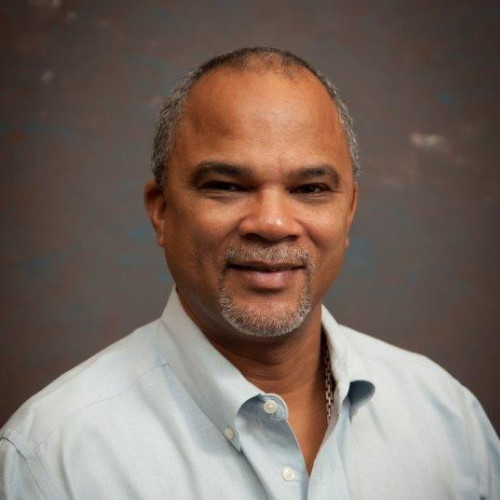
Challengers: Kayode Abegunde
Why do you want to serve on the school board, and what qualifications do you bring to the role?
I am interested serving on the Colonial School Board because I want to serve my community.
I live in this community and am an advocate for public education. I believe and support the mission and vision of CSD.
Additionally, I will proudly represent not only the residents of District G but also the 22.3% Hispanic community that attends our schools. This marks a historic first for CSD, as we will have a member of the School Board who is part of this community; also I will bring 8 yrs working with special populations and 10 of school board experience.
What specific changes would you want to bring to how the school board currently operates?
I would advocate for four key initiatives:
1) Increase transparency and communication by making information about decisions and policies easily accessible to the public.
2) Expand community engagement by actively seeking input from families, students, and community members, ensuring all voices are heard.
3) Prioritize data-driven and inclusive decision-making so that policies reflect both evidence and the needs of diverse student groups.
4) Enhance board member training and foster collaboration to build a knowledgeable, unified team.
By implementing these ideas, the board can become more responsive, effective, and aligned with the needs of our entire community.
What specific action is required to address student achievement gaps and support underserved populations (students with disabilities, English language learners, and those from low-income families)?
To close achievement gaps, I support early screening to identify students needing support, ongoing professional development in culturally responsive teaching, and expanded access to special education resources.
We must also remove external barriers by providing access to meals, health services, and technology.
Building strong partnerships with families and community organizations is essential, as is regularly monitoring and publicly reporting progress on the archive gap to ensure transparency and accountability.
This actions CSD can create an environment this students has the support and opportunities needed to succeed.
What specific changes should be made at schools to make the classroom a safer and more effective environment for maximizing learning and instruction (teaching)?
To enhance our school community, we must increase access to counselors and mental health professionals, helping students manage stress and trauma while learning self-regulation and conflict resolution.
We should also provide classroom management training for new and seasoned teachers. Communication is key; we must regularly update families on safety measures and physical building improvements.
Finally, we should promote robust anti-bullying initiatives with clear policies against harassment and discrimination. These steps will ensure a safer, more supportive environment for everyone.
Many educators say that not all parents are engaged enough with their children's education. How can the school board create policies that help forge a closer relationship and involvement among parents, their children and educators?
• Ensure communication is clear, two-way, and provided in families’ home languages
• Use multiple communication methods to reach all families
• Create welcoming school environments that encourage family involvement
• Offer flexible meeting times to accommodate family schedules
• Provide educators with training in family engagement and cultural competence
• Treat families as essential partners in students’ education
• Strengthen school climate through recognition programs and transition supports
•Expand extracurricular and mentoring opportunities to increase engagement
How do you plan to address chronic absenteeism and student retention, especially in early grades and high school?
According to the 2026 First State Educate Board Index, CSD currently faces the highest absenteeism rate with 25.82%. This trend, coupled with the loss of millions in “choice-out” funding, necessitates a proactive intervention strategy. I propose a multi-tiered approach:
-Proactive Monitoring: Implementing real-time attendance tracking to trigger family outreach at the first sign of concern.
-Holistic Support: Removing socioeconomic barriers by providing direct access to healthcare, mental health services, and essential supplies.
-Strategic Partnerships: Strengthening ties with community organizations to create a robust support network for families.
-Value Proposition: Actively showcasing CSD’s educational excellence and resources to improve student retention.
School districts oversee multi-million dollar budgets, supported by taxpayers. What steps will you propose to ensure that the money is being spent wisely and efficiently on student instruction?
• Maintain a healthy reserve, if possible, of 3% to 10% to be used in case of students’ decline or unexpected economic circumstances.
• Minimize Administrative Overhead, work in identified financial potential savings, procurement consolidation,
• Continuing with the Oversight Financial committee monthly meeting and encouraging other parents to join.
• Encourage families to visit the District’s financial page so parents can see how funds are spent.
• Establish clear goals; every dollar spent or requested should be justified by how it will help student success.
What is your stance on standardized testing, and how would you ensure that assessments support student learning rather than drive instruction (“teach to the test”)?
My stance on standardized testing is that, while it can provide valuable data about student learning and help identify achievement gaps, it should be used thoughtfully and not dominate classroom instruction.
Standardized tests should be just one of many tools used to assess student progress.
Schools should also consider class participation, teacher-created assessments, projects, and student portfolios to gain a more complete picture of each learner’s strengths and needs. By balancing standardized testing with multiple measures, we can ensure that assessments support meaningful learning and growth, rather than narrowing instruction or encouraging “teaching to the test.”