
Challengers:
Sean Brian Connally, Nichelle DeWitt, Richard A. Forsten, Mark E. Heck, Britney Mumford
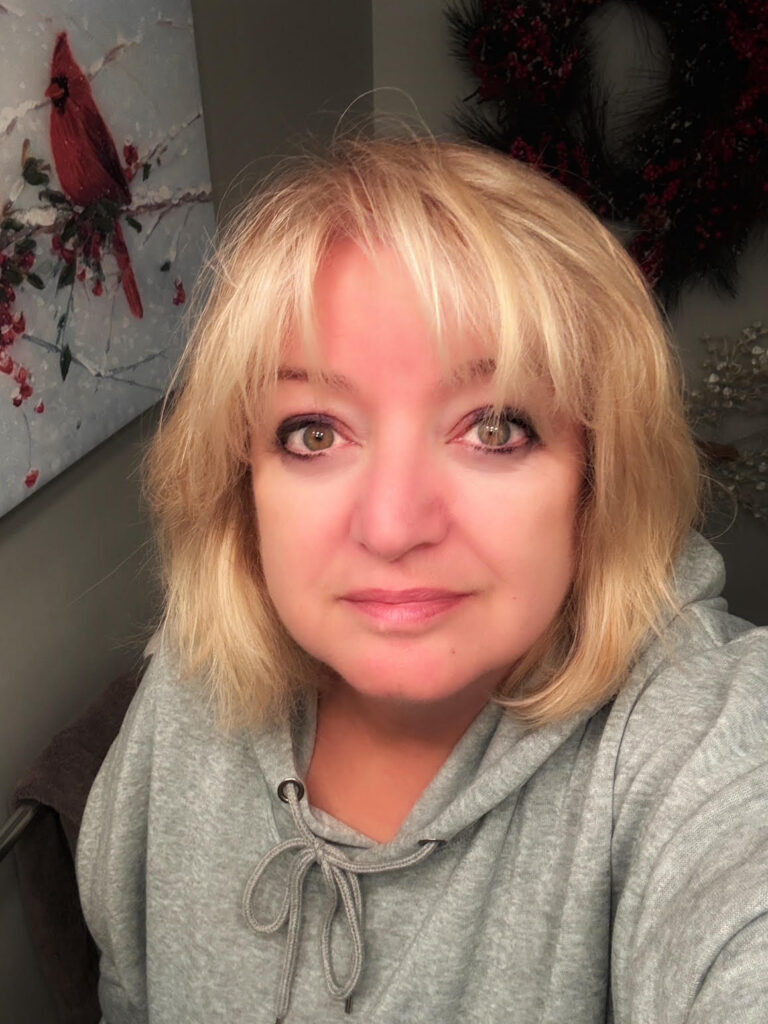
Website: elenabrennerforapposchoolboard
Why do you want to serve on the school board, and what qualifications do you bring to the role?
As a retired teacher with 30 years of classroom experience, I feel I can bring a relevant and often overlooked perspective to the role. Too often board policies seem to ignore the impact on the classroom and the burdens they create for teachers who are already stretched to their limits. I want to examine every policy through a classroom-first lens.
As this will be my first time on the board, should I win, I am just hoping to be a member-at-large. Should I be elected, and run for re-election, I would like to be considered for the position of board president.
What specific changes would you want to bring to how the school board currently operates?
Currently, there is a deep resentment and mistrust of the board and its handling of finances. I would like to find a way to involve the community in the shaping of policies and thereby rebuild a sense of community and accountability.
What specific action is required to address student achievement gaps and support underserved populations (students with disabilities, English language learners, and those from low-income families)?
We need to look at districts nationwide that are having success and see how we can best adopt and adapt their programs to fit our students’ requirements. I believe that parents need to take a more active role through home-enrichment activities, and after-school programs. I would also like to see a partnership made between community organizations like the YMCA to offer extra-learning opportunities.
What specific changes should be made at schools to make the classroom a safer and more effective environment for maximizing learning and instruction (teaching)?
Our schools used to be safe. What changed to create the current environment? We need to identify these factors and take immediate, decisive action to change them. Students must be held accountable and behavior that creates and unsafe learning environment must not be tolerated. Disruptive behaviors, fighting, threatening others, or presenting themselves as a danger to themselves or others cannot be tolerated. If necessary, the district should refer such cases to local law enforcement. We must protect a student’s right to learn.
Many educators say that not all parents are engaged enough with their children's education. How can the school board create policies that help forge a closer relationship and involvement among parents, their children and educators?
The board needs to respect parents’ viewpoints, input, and concerns. I think that many parents feel discouraged or even upset that their voices seem to go unheard. We need to make parental engagement meaningful, accessible, and timely. This can be done through social media outreach, surveys, and online notifications of upcoming opportunities for parental involvement.
Teachers are on the front line and their concerns, input, and requests must be given the utmost respect and credence. They must be an integral part of any policy that affects their workload.
How do you plan to address chronic absenteeism and student retention, especially in early grades and high school?
Current district policy does not stipulate how many days a student can miss without some type of penalty. This does not set students up for success later in life. We need to establish a clear attendance policy that limits the number of days that a student can miss before remedial action is taken. First we should look at the policies of successful districts and then create our own policy to reinforce the importance of regular attendance.
School districts oversee multi-million dollar budgets, supported by taxpayers. What steps will you propose to ensure that the money is being spent wisely and efficiently on student instruction?
The recent audit showed that although the district has a financial committee, it had not met for three years. No committee can provide oversight and accountability if they don’t meet on a regular basis. Additionally, such meetings, whenever legally possible, should be open to the public. The agenda should be posted and all information should be readily available to parents and area residents to revenue. The budget should also be published in an easy-to-read and understand format, not in such a way that requires and accounting degree to decipher.
What is your stance on standardized testing, and how would you ensure that assessments support student learning rather than drive instruction (“teach to the test”)?
Standardized testing only indicates how well a student does on a standardized test. Given our district’s diversity, such tests are bound to have cultural biases. Instead, I suggest creating a portfolio for each student that would establish a baseline and then chart the student’s progress through-out the year and over the course of several years. Such portfolios can be created and maintained online through programs like Schoology. The portfolio could also include relevant information like family income, native language, or whatever is determined to be the most helpful.
Additional Sources of Information About This Candidate
None at this time