
Challengers for 2 seats: Dave Failing, Michael A Marasco, Anthony G Cain
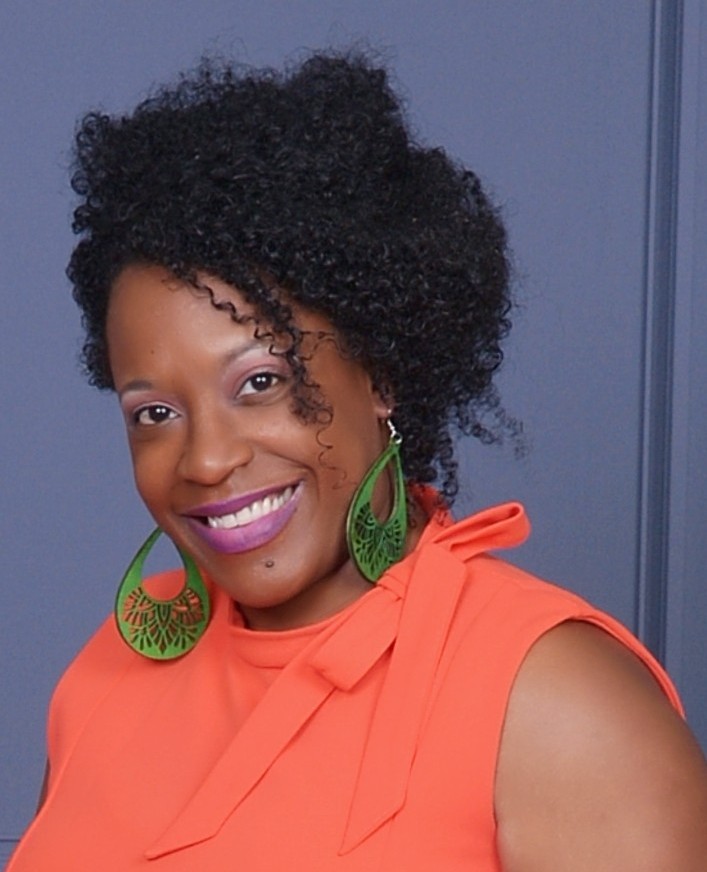
Facebook: Andrea for CR School Board
Why do you want to serve on the school board, and what qualifications do you bring to the role?
This is a defining moment for our district. As we enter the final phase of the 2022–2027 strategic plan—and following the recent referendum—our community expects results, transparency, and accountability. We have an opportunity to build on progress and strengthen systems so every student can thrive.
I’m prepared to ensure our vision is reflected in our priorities, policies, and outcomes, while listening to our community and holding the system accountable for results.
I bring over two decades of experience across education and youth development, along with the perspective of a mother of seven in this district. I lead through stewardship—setting direction, asking strategic questions, and ensuring decisions drive measurable impact.
What specific changes would you want to bring to how the school board currently operates?
I would strengthen efforts to ensure transparency, accessibility, and accountability in the school board’s operations so that all—not just those familiar with the system—can engage and be heard.
I support structured ways to increase community and student voice, with consistent community reporting on how feedback informs decisions.
In addition, I’d prioritize alignment between vision, policies, and outcomes, ensuring we’re not just managing systems, but improving them. These changes will strengthen trust, increase engagement, and build stronger connections across the district.
What specific action is required to address student achievement gaps and support underserved populations (students with disabilities, English language learners, and those from low-income families)?
I’d shift the district’s approach from focusing on deficits to intentionally designing systems that support every student’s success. Every child deserves to be seen, supported, and challenged to grow.
I’d set clear expectations for outcomes across all student groups, including students with disabilities, English language learners, and students from low-income families. I would review disaggregated data, align resources to student needs, and hold leadership accountable for measurable progress.
I would also strengthen family partnerships and support systems to address barriers beyond the classroom.
When we build with intention, we move from gaps to greatness and position every student to thrive.
What specific changes should be made at schools to make the classroom a safer and more effective environment for maximizing learning and instruction (teaching)?
School safety is a priority, especially if we are serious about maximizing student learning and growth.
To begin with, I prioritize strengthening the use of school climate data to monitor discipline trends and student experiences, ensuring that proactive supports are in place across all schools and that staff are supported in implementing them consistently. I am focused on ensuring our safety policies are backed by best practices. Because what matters is what students experience day to day.
Based on the findings, I’d ensure the district regularly reviews and, when needed, establishes clear, consistent expectations for school climate and safety district-wide.
Many educators say that not all parents are engaged enough with their children's education. How can the school board create policies that help forge a closer relationship and involvement among parents, their children and educators?
The rules of engagement have changed, and our systems should change with them. To begin with, I’d examine what currently counts as engagement, how we measure it, and whether we are creating conditions that enable parent/family partnership.
Research shows that engagement goes beyond attending an event; it includes trust, clear communication, shared decision-making, and partnership in learning.
Further, I’d ensure the district establishes clear definitions, multiple opportunities for engagement, and regularly reviews data to understand who is connected and who is not. That means identifying patterns that point to barriers and ensuring our systems are responsive and inclusive.
How do you plan to address chronic absenteeism and student retention, especially in early grades and high school?
We quote each day, “it’s a good day to be a rider”, but is it a reality if retention and chronic absenteeism become a pattern?
I’d begin by asking: What are our attendance and retention outcomes for each student group, and are we on track? What are the root causes behind the gaps we’re seeing?
From there, I’d prioritize progress monitoring and transparent reporting so we know what’s working—and act quickly when it’s not. I also value structured feedback from students, families, and educators to set priorities and ensure leadership is supported and held accountable for results.
School districts oversee multi-million dollar budgets, supported by taxpayers. What steps will you propose to ensure that the money is being spent wisely and efficiently on student instruction?
With our multimillion-dollar budget—especially following a successful referendum that expands investment in staffing, programs, student supports, and safety—we must do more than spend; we must demonstrate results.
I will focus on three priorities.
First, alignment—I will ensure every investment connects to strategic priorities and measurable student outcomes.
Second, transparency—I will require clear, consistent reporting so the community understands how funds are used and what they produce.
Third, accountability—I will regularly review return on investment and support the reallocation of resources when impact is not evident.
What is your stance on standardized testing, and how would you ensure that assessments support student learning rather than drive instruction (“teach to the test”)?
If we focus on standardized scores, or “teaching to the test”, we miss the story that growth reveals. Therefore, standardized testing has a role, but it shouldn’t primarily drive instruction.
Imagine what happens when we shift our support to authentic student learning. We begin to see evidence of how students are progressing toward proficiency. We can confidently share how students are demonstrating that growth and understand how it is measured over time. This opens the door to deeper insight and expands our ability to teach to the learner, not the test. The data doesn’t limit, rather it unlocks opportunities.
Additional Sources of Information About This Candidate
None at this time