
Why do you want to serve on the school board, and what qualifications do you bring to the role?
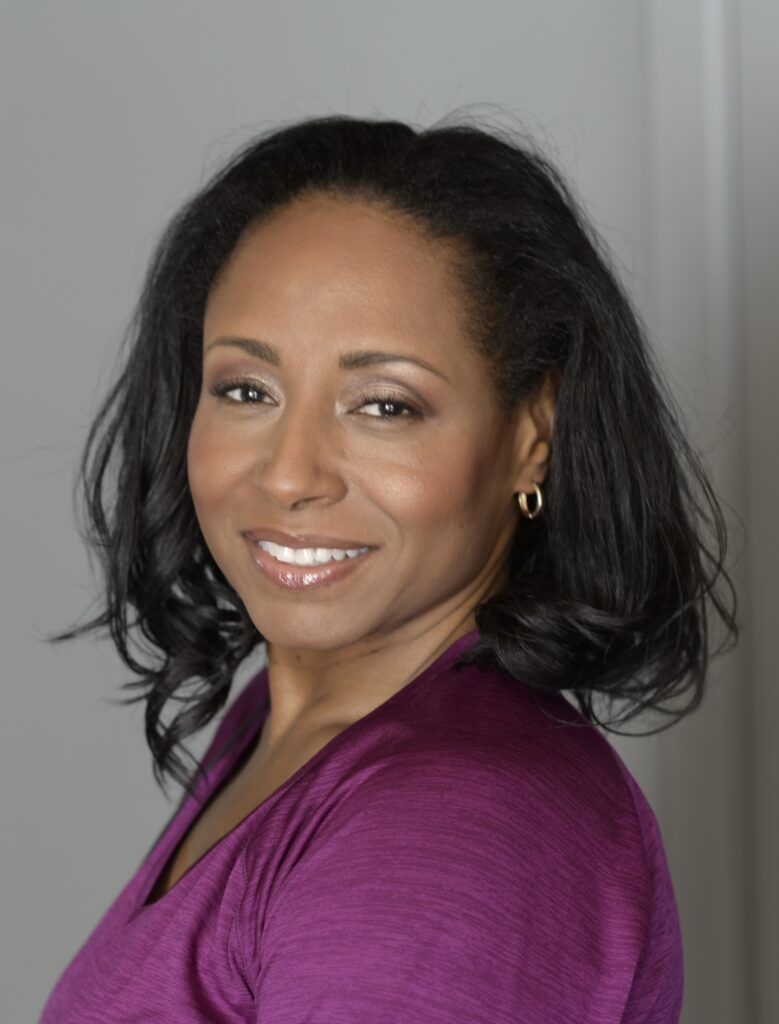
I want to serve the Christina School Board because students, staff, and taxpayers deserve a stable body of leadership that can be trusted to self-govern and make sound decisions for the improvement of the district with due diligence and transparency. I bring over 10yrs of non-profit executive board leadership to the role, with experience in board governance, strategic planning, project management, and community outreach. I am also a business owner and have an AOS degree in Mind Body Psychology.
I want to serve to collaborate my experiences and skills with other board members, to promote community awareness, and advocate for ideas that will positively impact student test scores, literacy programs, truancy prevention, attendance incentives, and strengthen the school and district’s relationship with the parents.
What specific changes would you want to bring to how the school board currently operates?
A board is empowered to lead effectively when there is stability and transparency. I propose board meetings to include mindfulness moments to ensure members are responding and making decisions from a regulated nervous system. I advocate for operations grounded in consistent procedural practices to build and foster trust with the members, ensuring a safer environment to be heard, to discuss ideas, and make decisions collectively. I propose a blueprint for functional board governance, with trainings and review assessments on Robert’s Rules of Order. The meeting agenda should be posted 7 days in advance to promote transparency to the community.
What specific action is required to address student achievement gaps and support underserved populations (students with disabilities, English language learners, and those from low-income families)?
Focus on closing the achievement gap by implementing Universal Design Learning models for all classrooms. Empowering teachers to offer multiple options for engagement, including students with disabilities and English Language Learners. Create a strategic plan to implement evidence-based reading programs to support our students from lower-income families, so all students can read by the 3rd grade, ensuring 100% literacy.
Give early learners and low-income families more access to high quality and higher dosage tutoring and technology that will facilitate and enhance their learning experience. Collaboratively identify what systemic changes are needed to creatively address early literacy.
What specific changes should be made at schools to make the classroom a safer and more effective environment for maximizing learning and instruction (teaching)?
Predictable, consistent environments, promotes learning on a rich scale. High-quality instruction becomes diminished with constant disruptions. I will push for a district wide code of conduct audit to identify barriers and implement ethical policies. Emotional safety is what keeps kids in seats.
I advocate for more In-School Alternative Programs, removing disruptive students from the classroom but ensuring the student doesn’t fall behind. I recommend keeping students in the building with a dedicated behavioral and academic team instead of Outside Suspension that can lead to finding trouble in the streets. I promote addressing the root cause of behaviour for safer classrooms.
Many educators say that not all parents are engaged enough with their children's education. How can the school board create policies that help forge a closer relationship and involvement among parents, their children and educators?
Conduct a town hall or surveys to identify the barriers that keep parents from being involved. Offer flexibility in scheduling meetings, conferences, and mandatory in person meetings. Extend availability to evening hours, video calls, or chat/text options as needed. Utilize two-way translation apps for communicating with non english speaking parents.
Invite parents to have a seat at the decision making table. Offer resources (ie classes, trainings) to empower parents to help themselves so they can be more available for the student. This adds value to the school for parents, using it as a community hub for learning skills.
How do you plan to address chronic absenteeism and student retention, especially in early grades and high school?
Make school a place where students want to be and see opportunity, instead of where they have to be, by collaborating with community partners to promote incentive to attend. Allow students to recover credits during the semester when they have failed a class, instead of waiting for summer school. Many students disengage while waiting. Let’s tie their attendance to their future paychecks and offer certification programs that will keep them engaged and motivated to show up.
I will push for attendance case managers trained to ask questions first, addressing the root causes of absenteeism before sending truancy notices.
School districts oversee multi-million dollar budgets, supported by taxpayers. What steps will you propose to ensure that the money is being spent wisely and efficiently on student instruction?
As a steward of our community’s investment, I propose more focus on transparency and performance. Conduct an annual performance audit and value-add review for vendors, programs and contracted personnel to ensure alignment with defined goals. After two years, if programs are not impacting literacy or graduation rates, reallocate those funds to teacher salaries and classrooms. We can ensure the money is being spent wisely and efficiently by monitoring the return on the investment in our student outcomes. These tasks can be conducted by a specialized committee of board members with skills and experience in financial literacy and leadership.
What is your stance on standardized testing, and how would you ensure that assessments support student learning rather than drive instruction (“teach to the test”)?
Standardized testing provides information about our students we need to support their learning styles, but should not be used as a determinant factor for promotion. These tests can cause unnecessary stress and anxiety leading to lower scores. Teachers should have the autonomy to teach the content until the students master it, before moving on due to pacing requirements. This ensures student learning rather than driving instruction, which has adverse effects for the students and the teachers. The time and money spent on district-level testing may also need to be audited to ensure its not redundant with state-level testing.