
Challengers: Vic Leonard
Why do you want to serve on the school board, and what qualifications do you bring to the role?
I want to serve on the Red Clay board because students and families deserve transparency, fiscal accountability, and a voice in decision-making. Having spent the past few years analyzing budgets, scrutinizing secondary school restructuring proposals, and advocating for students, I’ve seen firsthand where oversight is falling short and I want to fix that from the inside.
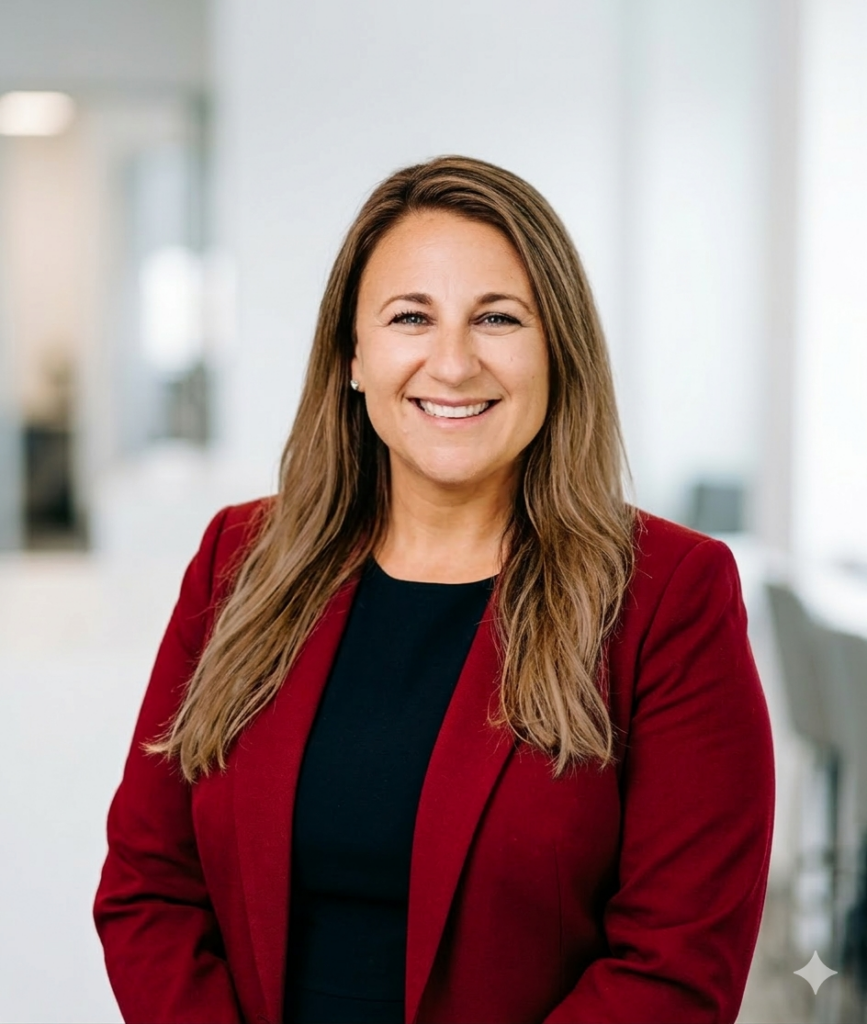
I bring relevant qualifications on multiple fronts: I taught in Red Clay schools for nearly a decade, hold two master’s degrees in education and a school leadership certification, and have four children currently in the district. I also serve on the district’s Board Policy Review Committee. I’m not waiting to be elected to do this work. I’m already doing it.
What specific changes would you want to bring to how the school board currently operates?
I want the board to stop treating community engagement as a formality that happens after decisions have already been made. Too often, families learn about significant changes like secondary school restructuring through polished presentations designed to build acceptance rather than genuine input sessions that could shape outcomes. That needs to change. The public deserves transparency and a voice in decisions that impact their students.The board should be the public’s check on district administration, not a rubber stamp. I want to restore that function.
What specific action is required to address student achievement gaps and support underserved populations (students with disabilities, English language learners, and those from low-income families)?
Closing achievement gaps requires honest accounting of where resources actually go and who benefits. The board must ensure funding follows student need, not institutional convenience, and that schools serving higher concentrations of low-income students, English learners, and students with disabilities are adequately resourced rather than chronically underfunded. Transportation is also a barrier. Students who can’t reliably get to school, programs, or services can’t benefit from them. For students with disabilities especially, transportation isn’t a logistical afterthought but a legally required support that must be treated as such.
What specific changes should be made at schools to make the classroom a safer and more effective environment for maximizing learning and instruction (teaching)?
Effective classrooms start with experienced, supported teachers. Red Clay shouldn’t lose good teachers because they feel overworked, undervalued, or unsupported. The board should treat teacher retention as a strategic priority, not an HR afterthought. Class size directly affects both safety and learning. When teachers are managing too many students, individualized instruction suffers and behavioral challenges multiply. The board should set meaningful class size targets and resist the temptation to quietly exceed them as a budget solution. Teachers know what their classrooms need. The board should be asking them regularly and actually acting on what they hear.
Many educators say that not all parents are engaged enough with their children's education. How can the school board create policies that help forge a closer relationship and involvement among parents, their children and educators?
The question assumes disengagement is a parent problem. Often it’s a trust problem. Families who have been talked down to, ignored at public meetings, or handed polished presentations instead of genuine dialogue learn quickly that their input doesn’t matter. The board must fix that dynamic first.
Practically, that means meetings at accessible times and locations, communications in families’ home languages, and outreach through trusted community partners rather than district channels alone.
But most importantly, engagement has to be real. Parents and community members will show up when they believe someone is actually listening and that their voice can change outcomes.
How do you plan to address chronic absenteeism and student retention, especially in early grades and high school?
Chronic absenteeism is a symptom, not a character flaw. Students miss school because of transportation barriers, mental health struggles, a sense that they don’t belong, or because school doesn’t feel relevant to their lives. Punitive responses don’t fix any of those things.
The board should require early monitoring with genuine family outreach when patterns emerge, not just automated letters. Transportation gaps need to be treated as the access barriers they are. And at the high school level, students need programs that connect to real futures.
School districts oversee multi-million dollar budgets, supported by taxpayers. What steps will you propose to ensure that the money is being spent wisely and efficiently on student instruction?
Taxpayers fund this district and deserve to understand how their money is spent. That starts with a budget process that explains decisions in plain language, not just line items that require a finance degree to interpret.
Budget oversight committee meetings should be recorded and published on the district website. Right now that isn’t happening, and it should be a basic expectation. When the public can see the work, trust increases and accountability follows.
I will push for budget documents that are genuinely accessible, timelines that allow meaningful public review before votes, and consistent follow-through on transparency commitments.
What is your stance on standardized testing, and how would you ensure that assessments support student learning rather than drive instruction (“teach to the test”)?
Standardized tests can provide useful data when they’re one tool among many, but too often they become the destination rather than a diagnostic. When instructional time is consumed by test prep, students lose the rich, engaging learning experiences that actually build knowledge and skills. I want the board to ask hard questions about how much time is spent on assessment and test preparation versus genuine instruction, and whether our testing portfolio is giving teachers actionable information or just generating accountability metrics for administrators.